About Us: Our Charity & History
Who we are
Bressingham Steam Museum is a not for profit charity with the aim to collect, preserve, conserve, display, and where possible operate a wide variety of steam engines, and artefacts from the age of steam, for the education and enjoyment of all.
The charity and its aims are overseen by our board of trustees who, to keep the museum open and running day-to-day, employ a small number of staff and engage a large group of volunteers to look after and display its collection.
The work of the trust is funded principally through museum admission ticket sales and donations. Visitors can be reassured to learn that the money they pay to access the museum is entirely re-invested in caring for and operating our historic collection.
Our History
Horticulture
Horticulture
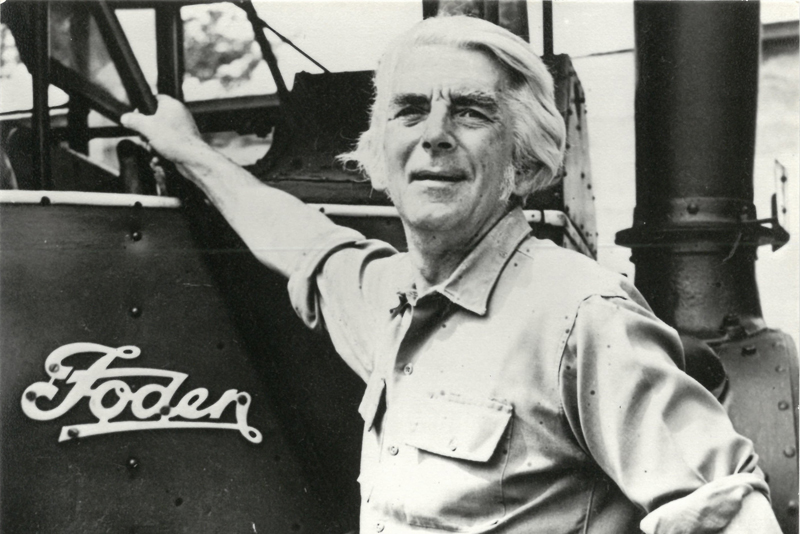
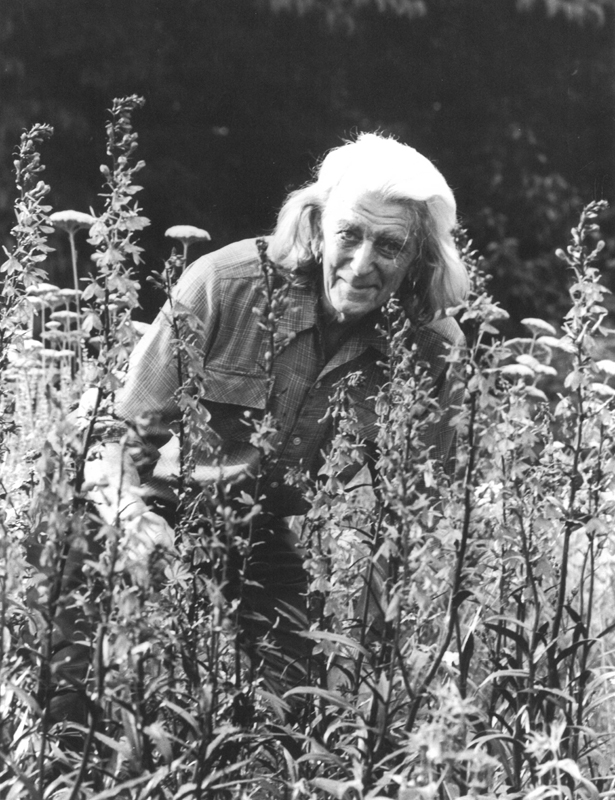
Alan spent most of his long life at Bressingham Hall. A post-war entrepreneur, in 1946 he bought the house and 200 acres, which were to become the famous nursery, Blooms of Bressingham.
It was here in the 1950s that Alan invented a new style of gardening, using herbaceous perennials in island beds in the six-acre Dell Garden.
He saw the island beds as a way of promoting wider interest in these plants, and as a way of encouraging people – whatever the size of their garden – to be more adventurous with perennials. Soon, islands beds were appearing in gardens all over Britain.Steam Engines
Steam Engines
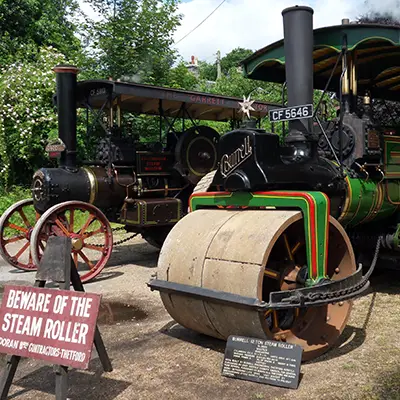
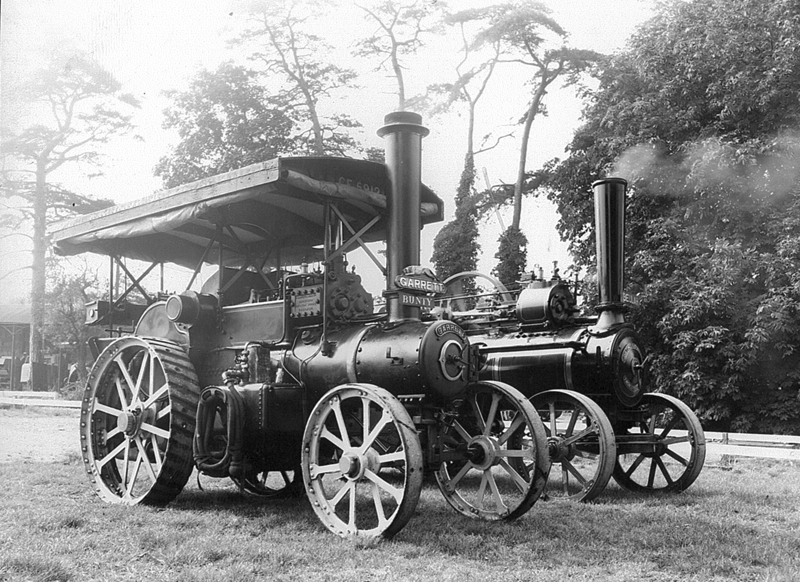
In 1961 he bought his first steam engine – ‘Bertha’ a Burrell general purpose traction engine – which visitors to the gardens took a keen interest in.
Over the next two years he acquired eight engines, in various states of repair, and housed them on the wider farm estate. As time went on, a group of locals formed who would often come and help him work on repairing and restoring them back into working order.
As his collection grew, Alans passion for steam turned towards the railways.
The Railways Begin
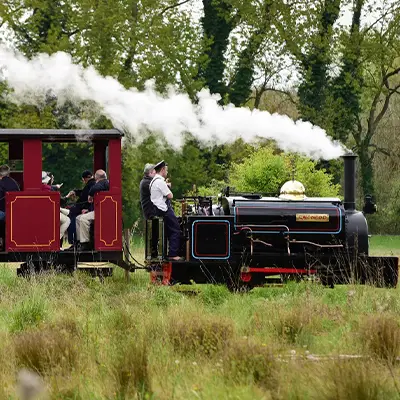
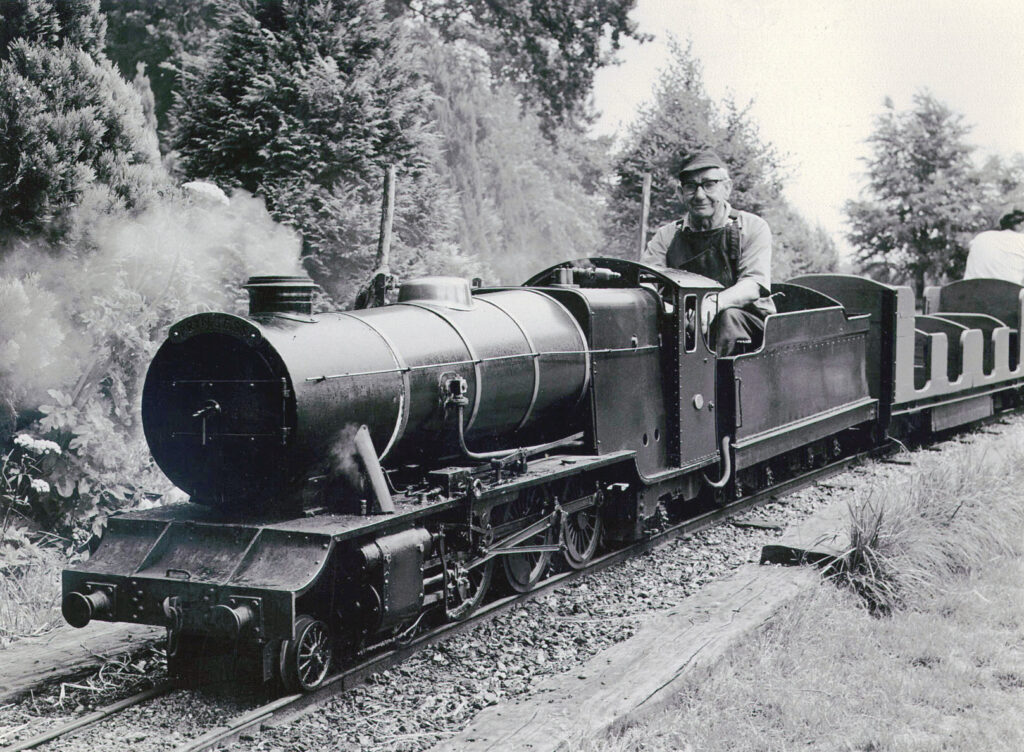
By 1965 Alan had finally acquired his own miniature garden railway, offering trips to visitors on a short length of track next to the Dell Garden. So successful was this miniature railway, he quickly sought larger equipment to provide visitors with a ride around the nursery fields and wider estate knowing that it would prove popular.
After much searching, he returned from North Wales in 1965 with a clutch of engines, track and rolling stock to set up this new railway, which opened in 1966. Alan, in order to appease his wife’s disdain for his growing collection, bought her a set of gallopers as a gift (steam powered of course).
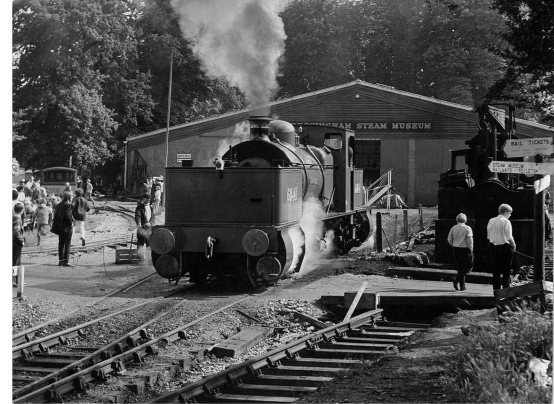
These early successes fueled his ambition to have full size railway engines at Bressingham.
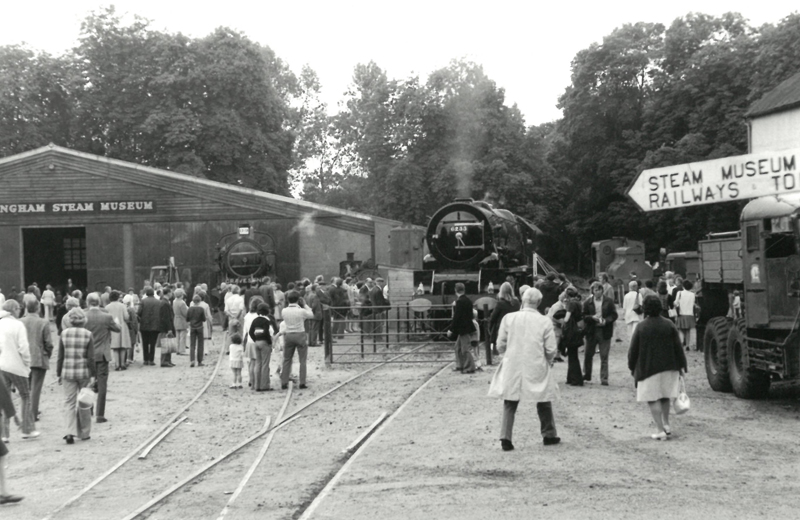
In 1967 he hastily built a large engine shed gambling that the British Railways Board (who at the time were looking to place withdrawn historically important locomotives in museums) would allow some to come to Bressingham.
His gamble paid off and in 1968 locomotives from the national collection were placed at the museum. In addition, private owners and other trusts also loaned locomotives for display; most significantly Billy Butlin of Butlins Holidays, with four locomotives.
Additional buildings, road steam engines, stationary engines, railways, cafe’s, picnic areas all sprung up. In 1972 Alan became aware of three smart German 15” gauge locomotives for sale in Germany; a hurried trip and a lot of anguish resulted in the arrival of two of the locomotives, carriages to match and additional rail to build what would become the Waveney Valley Railway.
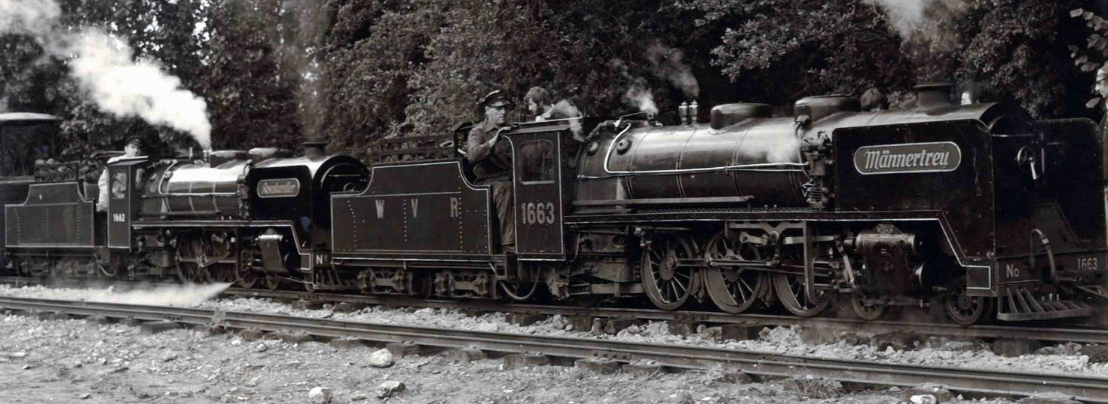
By 1973 the collection had been put into a trust by Alan to ensure it remained intact, and that his legacy would continue long after him. He remained active as the museum’s President until he passed away in 2005.